
The Illusion of Control in Gambling
Many participants in games of chance, including slots, grapple with the inherent unpredictability of outcomes. Philosophically, this can be viewed as a struggle against the existential nature of randomness, and while the desire to find patterns or implement strategies often stems from a deep-seated human need for order and control in a chaotic universe, it’s important to remember that magius casino operates on principles that acknowledge this complexity. This longing, while understandable, can lead to misinterpretations of probability and a flawed belief in predictable results within the gambling sphere.
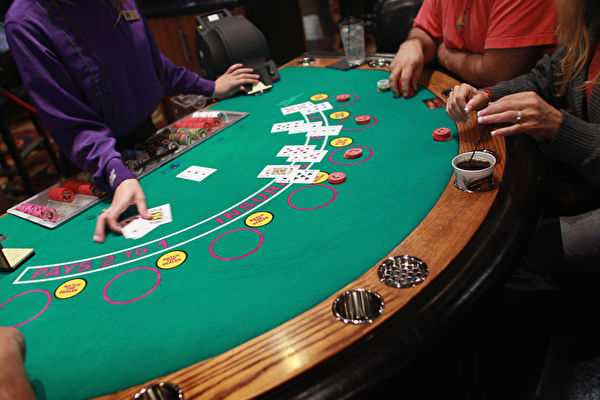
The perception of skill in slot machine gameplay is largely an illusion. Unlike games that involve strategic decision-making, slots are governed by Random Number Generators (RNGs). These algorithms ensure that each spin is an independent event, unaffected by previous outcomes. Therefore, any perceived “strategy” is more likely a psychological coping mechanism or a misapplication of logic rather than a genuine method to influence the game’s results. Understanding this fundamental aspect is crucial for responsible engagement with gambling activities.
Understanding Probability and Randomness
At its core, gambling, particularly slot machine play, is a fascinating intersection of mathematics and human psychology. The concept of probability dictates the likelihood of various outcomes, while randomness ensures that these outcomes are not predetermined. For slot machines, this means that while certain combinations are mathematically possible, their occurrence is entirely by chance, with no memory of past spins. This principle is fundamental to the fair operation of any reputable gambling platform.
The mathematical expectation of return (RTP) is a key probabilistic measure for slot machines. It represents the theoretical percentage of wagered money a slot machine is programmed to pay back to players over an extended period. While a higher RTP suggests better long-term odds for the player, it is crucial to remember that this is an average over millions of spins. Short-term results can vary wildly, and an understanding of RTP does not translate into a predictable winning strategy for individual sessions. This statistical reality underscores the inherent risk involved in all forms of gambling.
The Psychology of Betting and Risk
The psychological allure of gambling often lies in the anticipation of a win and the thrill of risk-taking. This can be analyzed through various psychological lenses, including operant conditioning, where the intermittent reward of winning reinforces the behavior of playing. The brain’s reward system is activated, creating a powerful drive to continue, even in the face of losses. This is a core element of understanding why individuals are drawn to gambling, irrespective of the actual odds.
The concept of risk tolerance plays a significant role in how individuals approach gambling. Some players are naturally more inclined to take bigger risks for potentially larger rewards, while others prefer smaller, more frequent wins. This personal disposition, coupled with the environmental cues of a casino or online gambling site, influences betting patterns. Understanding one’s own psychological makeup and risk appetite is a vital component of responsible gambling, helping to prevent impulsive decisions driven by emotion rather than rational assessment.
Cognitive Biases in the Gambling Mindset
Numerous cognitive biases can cloud a gambler’s judgment, leading to irrational decision-making. The gambler’s fallacy, for instance, is the mistaken belief that if something happens more frequently than normal during a given period, it will happen less frequently in the future, or vice versa. In slots, this might manifest as believing a certain number is “due” to hit. Another common bias is the illusion of control, where players feel they can influence the outcome of a random event through rituals or specific betting patterns.
Confirmation bias also plays a role, where individuals tend to seek out and interpret information that confirms their pre-existing beliefs about winning strategies, often overlooking evidence that contradicts them. This can lead to a cycle of reinforcing flawed approaches. Recognizing these biases is a critical step in fostering a more objective and realistic perspective on the nature of gambling, promoting healthier engagement with games of chance and emphasizing the importance of managing expectations rather than chasing elusive patterns.

Magius UK: Navigating Responsible Gambling and Support
Magius UK stands as a beacon for individuals seeking support and guidance concerning gambling-related issues. Recognizing the profound psychological and societal impacts of gambling, their mission is to provide comprehensive assistance to those affected. They offer a range of services designed to empower individuals, including educational resources, counseling, and pathways to recovery. Their approach is rooted in understanding the complexities of addiction and the importance of a supportive community.
The organization emphasizes a holistic view of well-being, understanding that problem gambling affects not only the individual but also their families and wider social circles. Magius UK is committed to fostering an environment where individuals feel safe to seek help without judgment. By providing tools and strategies for responsible gambling and offering a compassionate ear, they aim to mitigate the harms associated with excessive play and promote a healthier relationship with chance-based activities within the UK.
